Best Vegan Protein Powder Of 2024
Affiliate disclosure: Some links on this page may earn us a small commission at no cost to you.
Affiliate disclosure: Some links on this page may earn us a small commission at no cost to you.
Best Vegan Protein Powder Of 2024
Last checked October 2026. Specs below were current at the time of writing, but brands reformulate and rename lines without asking us. Read the tub, not just this page.
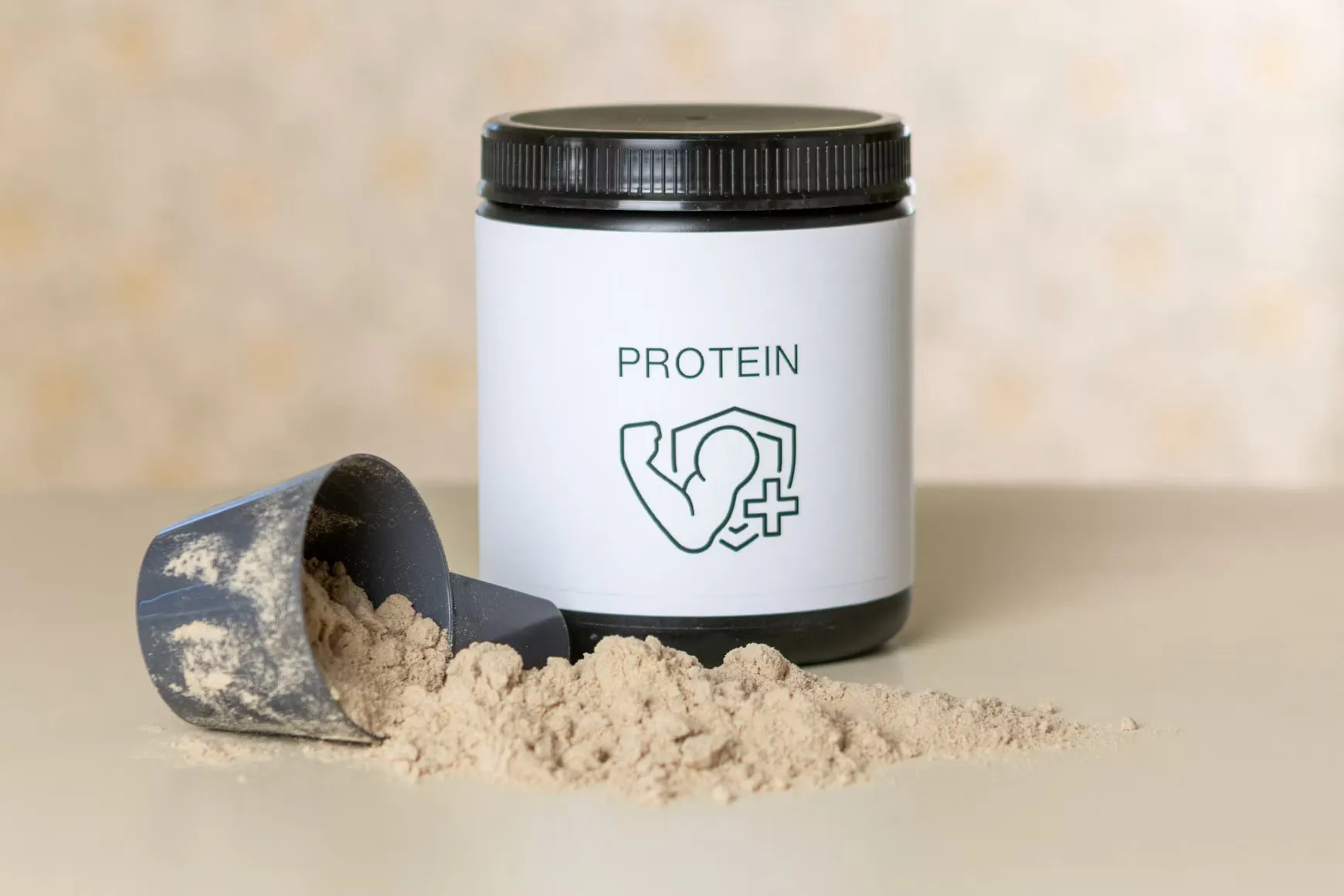
A vegan protein powder is one made entirely from plant sources, with no dairy or other animal products. Manufacturers use heat and enzymes to extract protein from plants like peas, rice, and soy, then concentrate it, first to around 70% protein, then further refined to as high as 90%.
For athletes and lifters eating plant-based, this matters: most whole-food vegan diets come up short on total protein, and getting all nine essential amino acids in sufficient amounts takes deliberate planning. A good powder makes that math a lot easier. Some of the best vegan options deliver over 30 grams of protein per serving. For the full picture on how powder fits a budget, see our beans vs. powder cost comparison.
Is vegan protein powder easy to digest?
Generally, yes. Plant-based powders tend to be gentler on the gut than dairy-based ones, and the fiber from their ingredients (peas, seeds, brown rice) can actually help digestion. Many lifters who deal with gas and bloating from whey find pea or rice-based powders noticeably easier to handle. That said, watch out for sugar alcohols. Some brands add them for sweetness, and they can cause digestive issues for some people.
Why use a vegan protein powder?
- Complete amino acid coverage. The best blends combine protein sources (pea + rice, for example) so you get all nine essential amino acids.
- High protein with fewer calories. A single scoop can land 20 to 30 grams of protein for around 100 to 150 calories. That is hard to match with whole foods alone.
- Fewer allergens. No dairy, no lactose, and most are soy-free and gluten-free, which helps if whey never agreed with you.
- Convenience. One scoop in a shake after training beats prepping a meal when you’re busy.
As always, check the ingredient label before buying. Suitability comes down to your budget, your taste, and what is actually in the tub.
The best vegan protein powders, ranked
1. Huel Complete Protein
Huel’s protein powder is one of the most nutritionally complete options on this list. It is built on pea, faba bean, and hemp seed protein and packs 26 essential vitamins and minerals, so it works as a high-protein snack or a light meal replacement. Though with only about 105 to 110 calories per serving, we would not replace more than one meal a day with it.
Specs: 20g protein, ~105-110 calories per serving. Sweetened with sucralose. Flavors: Vanilla Fudge, Banana Milkshake, Chocolate Fudge Brownie, Strawberries & Cream, Salted Caramel, Unflavoured & Unsweetened.
2. Myprotein Vegan Protein Blend
A blend of pea protein isolate and faba bean isolate with a complete amino acid profile and around 22 to 24 grams of protein per serving (the exact number varies by flavor). Myprotein also sells whey products, but this specific blend is fully plant-based and dairy-free. It comes in one of the widest flavor ranges of any vegan powder.
Specs: ~22-24g protein, ~110 calories per serving. Sweetened with sucralose. Flavors: Banana, Cocoa, Orange, Carrot Cake, Chocolate Peanut Caramel, Chocolate Salted Caramel, Coffee and Walnut, Ruby Chocolate, Strawberry, Turmeric Latte, Vanilla, White Chocolate Raspberry. Flavors come and go, so check the current lineup.
3. Gainful Plant-Based Protein
Gainful builds personalized protein around your body type and goals, and their plant-based formula, organic pea and organic brown rice protein, is the one to get. Note that Gainful also sells whey products, so make sure you select the plant-based option. The blends use a short ingredient list chosen with input from registered dietitians, and cover all nine essential amino acids.
Specs: Around 20g protein per serving, with the exact blend varying by your goals. Minimal sweeteners and additives.
4. Vega Sport Protein
Vega’s Sport line is the heavy hitter of this list at 30 grams of protein per serving. It is built for post-workout recovery, with a complete amino acid profile for rebuilding muscle. It is non-GMO, gluten-free, dairy-free, lactose-free, and soy-free, with no artificial flavors. The main downside is price; it is one of the more expensive options here.
Specs: 30g protein per serving. Powder form, 1.83 lb tub. Flavors: Berry, Chocolate, Mocha, Peanut Butter, Vanilla.
5. Vega Protein & Greens
A lighter option at 20 grams of protein per serving, with added greens (alfalfa, spinach, broccoli, and organic kale powder) for extra micronutrients. It is low-glycemic, certified non-GMO, gluten-free, dairy-free, and has no added sugar. A solid daily-driver powder at a reasonable price.
Specs: 20g protein per serving. Key ingredients: pea, brown rice, and sacha inchi protein. 1.34 lb tub. Flavors: Berry, Chocolate, Coconut Almond, Salted Caramel, Vanilla, Plain Unsweetened.
6. Plain pea protein
If you don’t care about flavors or extras, plain pea protein isolate is the budget play: about 21 grams of protein and 100 calories per 28-gram serving, made from yellow split peas. Like all legume-based proteins it is a bit low in methionine but rich in branched-chain amino acids (leucine, isoleucine, valine), the ones that matter most for building muscle. A 12-week randomized trial found pea protein produced muscle thickness gains comparable to whey (Babault et al., Journal of the International Society of Sports Nutrition, 2015). Bonus: it may help lower blood pressure, which is nice if that is a concern.
Bottom line
Huel and Vega make the most polished all-around picks; Myprotein’s vegan blend wins on flavor variety; Gainful’s plant-based formula is the best choice if you want something personalized; and plain pea protein is the cheapest way to hit your numbers. Whichever you choose, make sure you are getting a complete amino acid profile. That is the whole point of supplementing.
Keep reading
Best Vegan Protein Powders 2026: Buyer's Guide
What actually matters when buying vegan protein powder in 2026, the lead-in-protein findings explained, and 5 top-tier picks.
By Dante C.
Creatine for Vegan Lifters: The One Supplement Actually Worth Buying
Creatine is the most studied supplement in fitness, and plant-based lifters may benefit most. Dosage, myths, and what to buy.
By Ben B.

How to Choose a Vegan Eating Plan That Actually Works
Not sure which vegan diet approach fits your goals? Learn the 6 eating archetypes and find the one that matches your lifestyle.
By Ben B.