Vegan BodyBuilding Diet: A 7-Day Meal Plan
Affiliate disclosure: Some links on this page may earn us a small commission at no cost to you.
Veganism has become popular around the world in recent years as awareness of health, environmental, and animal welfare issues has grown. Athletes are embracing vegan diets too. This article will get you up to speed on the vegan bodybuilding diet: which foods to eat, which to avoid, and a sample 7-day meal plan for your convenience.
Vegan Bodybuilding Diet
A vegan bodybuilding diet is one that is completely free from foods of animal origin. Compared with a standard vegan diet, a vegan bodybuilding diet is higher in protein. Bodybuilders need more nutrient-dense food to support muscular development. About 0.7 to 1.0 grams of protein per pound of body weight per day is recommended for optimal muscle growth, and a 10 to 20 percent calorie surplus also helps gain muscle mass. Plant proteins vary in their amino acid profiles and digestibility: some, like soy and quinoa, are complete proteins, while others are lower in one or more essential amino acids. Eating a variety of protein sources across the day covers all of them, so with planning there is no need to compromise muscle growth. Our plant-based diet for muscle growth guide breaks down these protein targets further.
How To Plan the Diet?
When planning a vegan diet, choose ingredients carefully and make sure they deliver the nutrients you need in the right amounts. Before starting, it helps to map out a 7-day meal plan. Here is what to consider:
Find foods with high protein content
- Bodybuilders require a high amount of protein for proper muscle growth. As a bodybuilder, lean on high-protein food sources. Since some plant proteins are lower in certain essential amino acids, eat a wide variety of foods to cover them all. Good options include tofu, seitan, quinoa and many leguminous foods. Vegan protein powder can help you hit your target and maximize muscle growth.
Ensure the intake of plenty of fluids
- Fruits, vegetables, grains, and legumes have high fiber content. Eating a lot of these foods raises your fiber intake, which can cause bloating, abdominal pain and flatulence. Drinking enough water helps: 1 ml of fluid per calorie is a common guideline to offset high fiber intake.
You have to educate yourself
- Take time to educate yourself. Because vegan diets exclude certain food groups, the risk of nutritional deficiency is higher. To avoid this, learn which foods carry which key nutrients. Plenty of articles on this site can help, starting with the pros and cons of a vegan diet.
Food source should have enough fat
- To hit your calorie target, eat enough fat. Fat provides more than twice the calories per gram of carbs or protein, which makes it useful for muscle development. About 0.5 grams of fat per pound of body weight per day is a common target.
Benefits of a Vegan Diet
A vegan diet offers several benefits.
1. Reduces the risk of heart diseases
Vegans have a significantly lower risk of heart disease. Vegan diets are lower in saturated fat and cholesterol, which reduces heart disease risk. Besides, vegan diets have higher fiber content that is proven beneficial for the heart. Higher fiber intake is linked to lower rates of stroke and heart disease.
2. Maintains healthy body weight
Vegans tend to have a lower body mass index than people on traditional diets. A vegan diet makes it easier to manage body weight, which helps bodybuilders stay lean while building muscle.
3. Less risk of cancers
A vegan diet is associated with a reduced risk of various types of cancer. Intake of foods with high fiber content, micronutrients and phytonutrients is beneficial for the body. A higher BMI is associated with an increased risk of cancer, and since a vegan diet tends to lower BMI, it also reduces cancer risk. High intake of processed red meat is linked to higher colorectal cancer risk, so avoiding it is protective.
Disadvantages Of Vegan Bodybuilding Diet
Despite its many benefits, a vegan bodybuilding diet can have the following disadvantages:
-
Nutrient deficiency risk. Abstaining from animal products reduces the intake of calcium, omega-3 fatty acids, iron, zinc, vitamin B12 and vitamin D. These deficiencies can be corrected with supplements, and vegan omega-3 supplements are easily available.
-
Higher fiber intake. Too much fiber may lead to bloating, flatulence and abdominal pain. Fiber intake of 25 and 38 grams per day is recommended for women and men respectively, which is easily exceeded on a vegan diet.
-
Harder to meet protein and calorie targets. Vegan diets are high in fiber but can be low in protein and calories per bite, so hitting your targets takes planning without animal products in the mix.
What Type Of Food To Eat?
You can include the following foods in your diet:
1. Quinoa and amaranth
These two pseudograins are complete sources of protein.
2. Hemp, flax, sunflower and chia seeds
These are rich sources of protein and omega-3 fatty acids.
3. Soy products
Soy products include tofu, edamame, soy milk, tempeh and soy protein powder.
4. Calcium-fortified plant milks and yogurt
Vegan diets are often deficient in certain nutrients. These fortified products are a rich source of calcium and vitamin D.
5. Meat substitutes
These meat substitutes are typically derived from soy or pea protein.
6. Beans and legumes
Beans and legumes are a good source of protein and fiber.
7. Nuts and Nut butter
Combined with a complementary protein source, they make an excellent protein source, and they are also a good source of fat.
8. Tahini
Tahini is made from sesame seeds. It is a rich source of fat and also serves as a source of protein.
9. Whole grains and cereals
They are a good source of protein, B vitamins and fiber.
10. Oats
Oats are a popular staple with a good amount of protein and fiber.
11. Sprouted grain breads
They are a good source of protein and carbohydrates.
12. Fruit and vegetables
Fruits and vegetables are an important part of any diet.
13. Nutritional yeast
It is mainly fortified with vitamin B12. It is mostly used in vegan cooking for its savory flavor.
14. Vegan dark chocolate
Vegan dark chocolate is high in antioxidants and contains some vitamins and minerals.
What Type Of Food To Avoid?
Vegan bodybuilding diets prohibit the following foods:
1. Animal food
A vegan diet prohibits the consumption of animal-based foods like meat, poultry, fish, eggs, dairy products.
2. Vegan junk food
Candy, ice cream, and some vegan protein bars should be avoided.
3. Mock meats and cheese
They are processed food with additives having lower nutrient content, so these products should be restricted.
7-Day Meal Plan (Sample)
A sample 7-day meal plan is described below, though calorie and micronutrient needs vary from person to person.
Day 1
Breakfast
Basically focus on food with high protein content. Oats, vegan protein powder, soy milk, banana and nut butter are good as breakfast.
Lunch
Lentils, vegan pasta, spinach, onion, beans and celery should be included in your diet.
Dinner
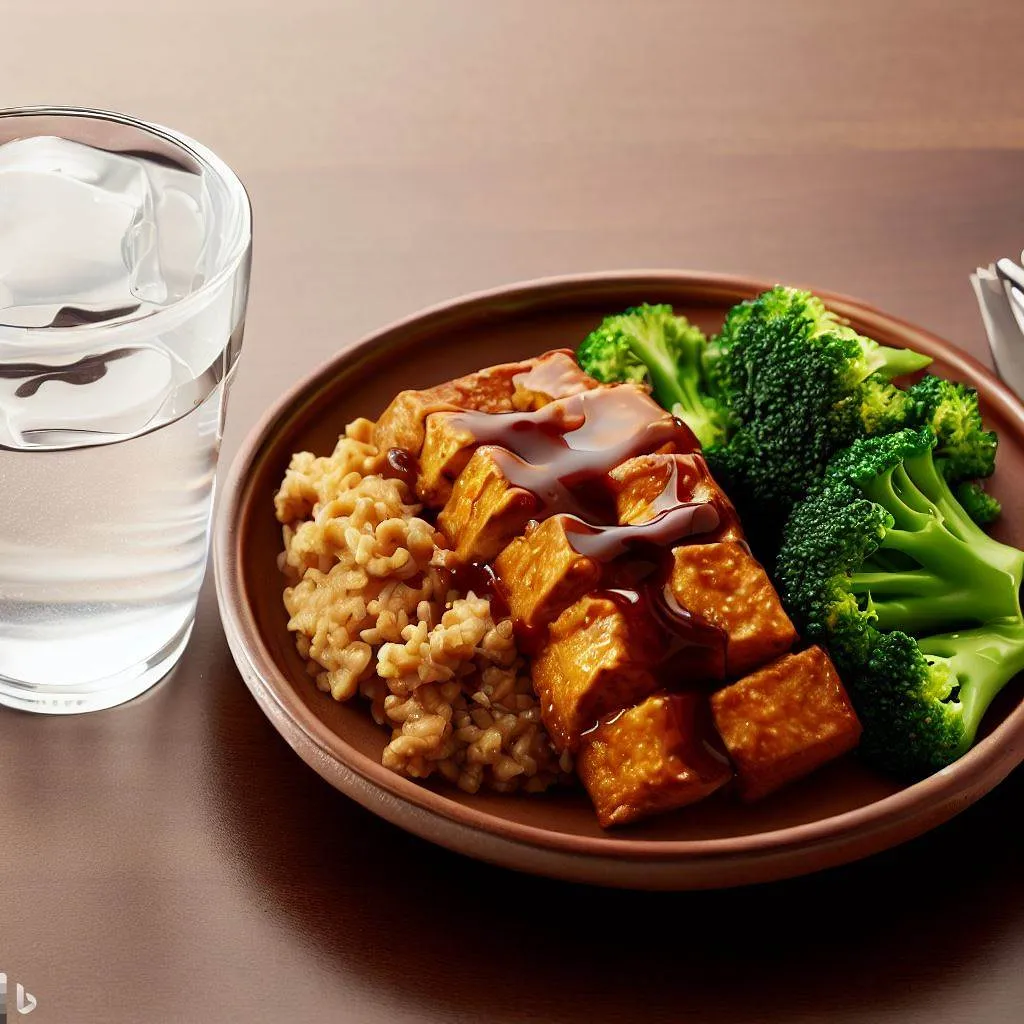
Teriyaki tempeh with broccoli and quinoa are excellent for dinner.
Snack
Enjoy a strawberry-banana protein shake!
Day 2
Breakfast
You can enjoy burritos made with tofu scramble and vegan tortillas with vegetables.
Lunch
Lentil loaf, kidney beans, veggies and nutritional yeast can be taken as lunch.
Dinner
You can have black bean veggie burger with sweet potato fries.
Snack
Oatmeal snack bars and peanut butter can be eaten as snacks.
Day 3
Breakfast
Sprouted grain bread, hemp and sunflower seeds.
Lunch
Vegan burrito made with rice and beans.
Dinner
Sweet and sour stir fry made with tofu, rice noodles and vegetables.
Snack
Mock tuna salad sandwich
Day 4
Breakfast
Cacao powder, vegan protein powder, almond milk, peanut butter
Lunch
Black bean and quinoa
Dinner
Kidney beans, tomatoes, red lentils
Snack
Roasted chickpea
Day 5
Breakfast
Pancake high in protein content made with whole grain flour, vegan protein powder
Lunch
Edamame, soba noodles
Dinner
Vegan sloppy joe made with veggies
Snack
Peanut butter
Day 6
Breakfast
Burritos with tofu scramble
Lunch
Quinoa, black bean, lentils
Dinner
Black bean veggie burger
Snack
Oatmeal made with oats
Day 7
Breakfast
Bread with sprouted grain
Lunch
Vegan burrito made from rice and beans.
Dinner
Tomatoes, lentils, soba noodles
Snack
Peanut butter
Conclusion
As people are becoming more conscious about health, veganism is becoming more popular. Traditional bodybuilding diets get plenty of protein from animal products, so vegan bodybuilders have to plan more carefully. A vegan diet reduces the risk of cancer, hypertension and several heart related diseases. Despite its manifold advantages, it may lead to nutrition deficiency, so plan your diet properly. For more training-side tips, see our 15 tips for the aspiring vegan bodybuilder. As always, this article should not be considered medical advice. Always consult a medical professional or dietician before making any changes to your diet.
Want a personalized eating plan based on your goals and lifestyle? Take the Vegan Eating Plan Quiz to find your archetype in 7 questions.
Keep reading
Vegan Protein Cost Comparison: Beans vs. Powder per 30g
Real per-gram math on dried beans, canned beans, and vegan protein powder, so you can stop guessing and start budgeting.
By Dante C.
Vegan Diet For Better Muscle Growth
Can you build muscle on a vegan diet? Yes, with the right planning. Here are protein targets, top plant protein sources, supplements, and tips for growth.
By Prakash B.
Top 6 Nuts For Protein Content
The word nut refers to a wide range of products in the culinary sense. Basically, nuts are dry edible fruits or seeds with high fat content. They are also…
By Prakash B.