Is Honey Vegan?
Affiliate disclosure: Some links on this page may earn us a small commission at no cost to you.
Is honey vegan? The short answer is no: honey comes from bees, bees are animals, and veganism excludes animal products. But this is one of the liveliest debates in vegan circles, with reasonable people on both sides, and the reasons are more interesting than the verdict. Let us get into it.
What Honey Actually Is
Honeybees do not make honey for us. They make it for themselves: it is their energy reserve, their winter food supply, their survival plan. A worker bee visits around 1,500 flowers to fill her honey stomach with nectar, then returns to the hive and regurgitates it (charming, I know), where enzymes break it down into honey. Over her entire lifetime, one bee produces about one-twelfth of a teaspoon of honey. Think about that the next time you squeeze the bear.
When commercial beekeepers harvest honey, they take the bees’ food and replace it with substitutes, usually sugar syrup or corn syrup, which are nutritionally inferior. The bees did the work; we take the wages and hand them candy. That is the ethical core of the whole debate.
Why Most Vegans Avoid Honey
Veganism aims to minimize animal exploitation, and most vegans see commercial beekeeping as exploitation with better PR. Their case:
- The bees are managed like livestock. Commercial operations clip queens’ wings to prevent swarming, breed for docility and yield, and routinely use antibiotics and miticides to control disease. These are factory-farming techniques applied to insects.
- Harvesting harms the hive. Taking honey stresses the colony, and the sugar-syrup replacement diet is linked to poorer bee health and weaker immune response. Some beekeepers cull entire hives to control disease outbreaks rather than treating them.
- It distorts ecosystems. Flooding an area with managed honeybees can spread disease to wild pollinators and outcompete native bees for forage. More honeybees does not always mean a healthier ecosystem; sometimes it means fewer kinds of bees.
If your veganism is about reducing animal exploitation as far as practical, honey fails the test. It is an animal product made through practices that prioritize yield over the animals’ welfare. Most vegans land here, and the logic is consistent.
Why Some Vegans Eat Honey Anyway
The counterargument is worth hearing:
- Bees are essential to plant agriculture. Roughly a third of the food crops vegans eat depend on bee pollination. The “beegans” argue that drawing a hard line at honey while eating almonds, avocados, and apples pollinated by commercial hives is arbitrary.
- Insect sentience is genuinely uncertain. Bees can learn, navigate, and communicate, but whether they experience suffering the way mammals do is an open scientific question. Some vegans weigh this uncertainty differently than they weigh a cow’s.
- Small-scale beekeeping can be symbiotic. A backyard beekeeper who harvests modestly, leaves the bees plenty of honey, and never culls looks very different from an industrial operation. Some vegans buy from those keepers.
Nobody in this debate thinks honey is a plant. The disagreement is about where exploitation begins and how much it matters. Reasonable people, different lines.
Vegan Alternatives to Honey
Whatever you decide, the swaps are easy. All of these are high in sugar, so “vegan” does not mean “health food” here:
- Maple syrup. Made from tree sap, rich in flavor, and contains antioxidant and mineral compounds. The classic swap.
- Date syrup. Made from cooked, blended dates. Dark, caramel-like, great in baking.
- Brown rice syrup (malt syrup). Mild and less sweet than honey, good when you want stickiness without a strong flavor.
- Blackstrap molasses. Thick, dark, and notably rich in iron and calcium. Strong flavor; a little goes a long way.
- Barley malt syrup. Made from sprouted barley, golden and malty.
- Agave syrup. Extracted from the agave plant. Dissolves beautifully in hot drinks, though it is very high in fructose.
- Vegan honey. Plant-based honey substitutes exist now, like Suzanne’s Specialties Just-Like-Honey, made from natural sweeteners without involving bees.
The Bottom Line
Honey is an animal product, so by the standard definition it is not vegan, and the commercial practices behind most honey give vegans solid ethical reasons to skip it. But the “beegan” position is not incoherent: pollination, sentience uncertainty, and small-scale keepers complicate the picture. Read both sides, pick your line, and pass the maple syrup.
Related: Are Mushrooms Vegan? tackles another surprisingly tricky “is it vegan” question.
Keep reading
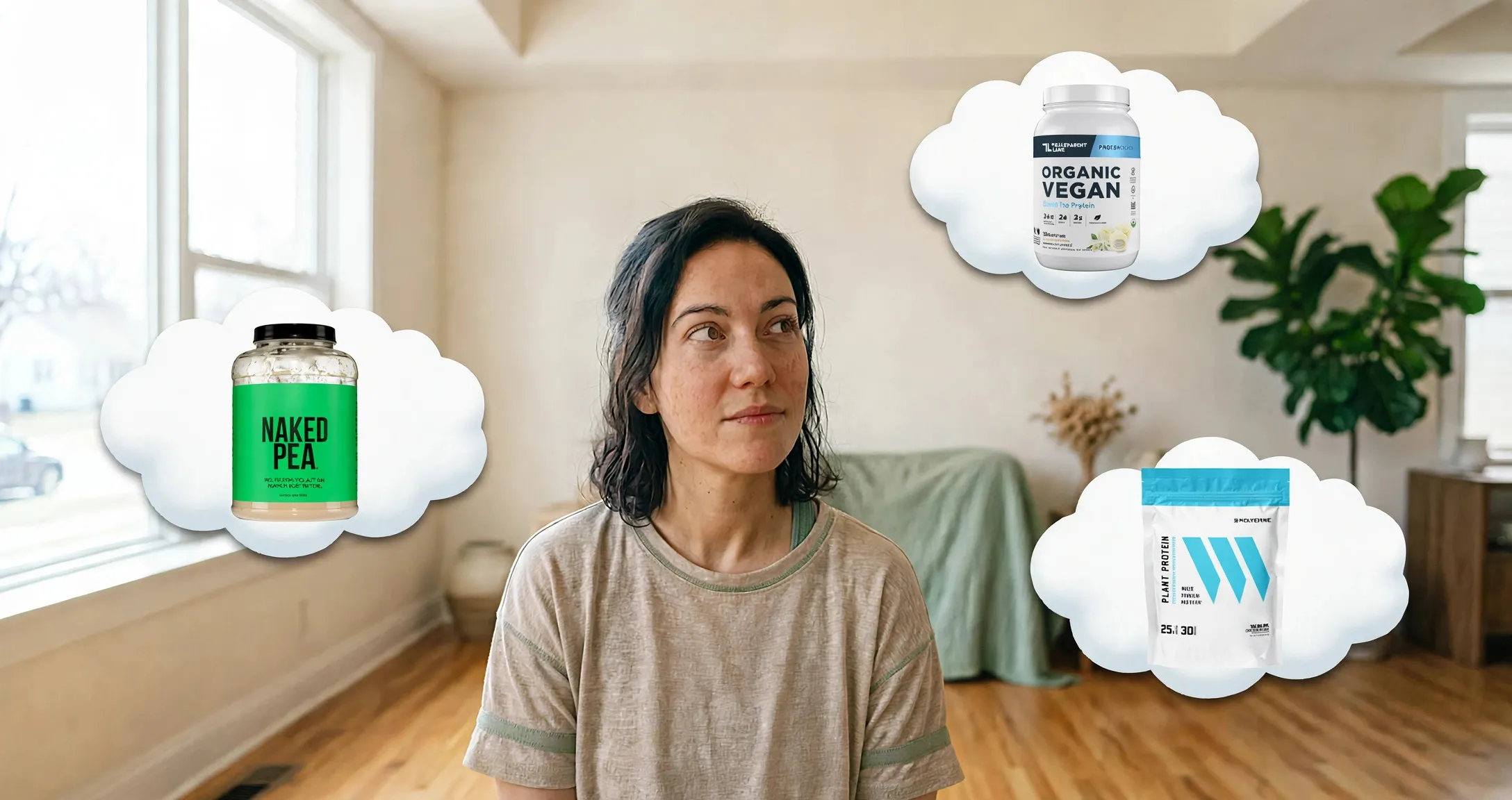
Best Vegan Protein Powders 2026: Buyer's Guide
What actually matters when buying vegan protein powder in 2026, the lead-in-protein findings explained, and 5 top-tier picks.
By Dante C.
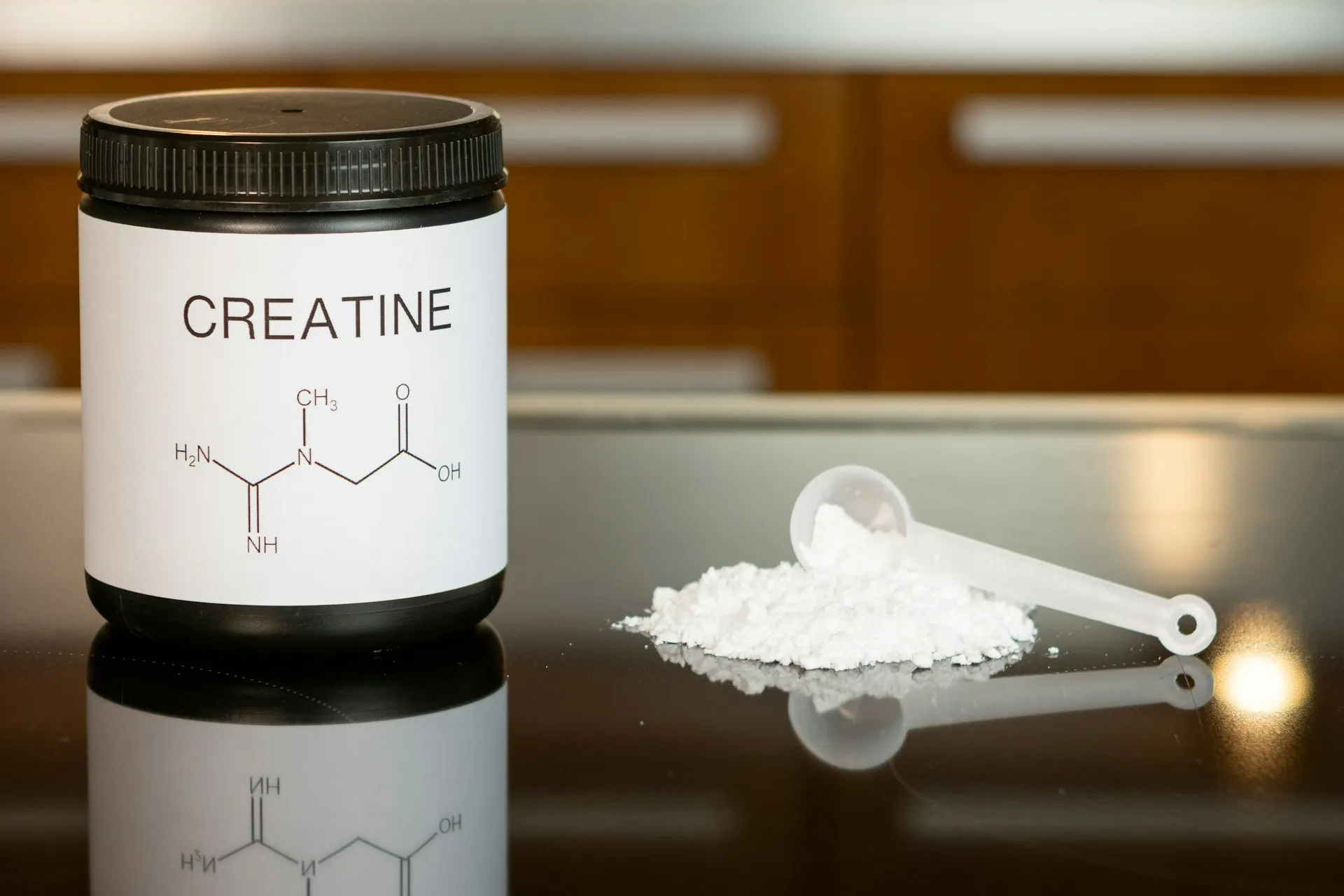
Creatine for Vegan Lifters: The One Supplement Actually Worth Buying
Creatine is the most studied supplement in fitness, and plant-based lifters may benefit most. Dosage, myths, and what to buy.
By Ben B.

How to Choose a Vegan Eating Plan That Actually Works
Not sure which vegan diet approach fits your goals? Learn the 6 eating archetypes and find the one that matches your lifestyle.
By Ben B.