5 Incredible Vegan Burgers: Unveiling Our Top Picks!
Affiliate disclosure: Some links on this page may earn us a small commission at no cost to you.
Let’s be honest about most veggie burgers: they’re seasoned cardboard with a marketing budget. Six grams of protein, the texture of a wet sponge, and a picture of a farm on the box. On a bodybuilding site, a burger earns its spot one way: protein per patty, with taste as the tiebreaker.
These are the five I’d actually buy, ranked by protein, with the numbers taken from current labels (formulas change, so spot-check your box). One of them is a deliberate outlier. I’ll explain.
The short version
| Burger | Protein per patty | Protein base |
|---|---|---|
| Dr. Praeger’s All American | 22g | Pea protein |
| Beyond Burger | ~20g | Pea + rice protein |
| Gardein Ultimate Plant-Based | 15–20g | Soy protein + wheat gluten |
| Tesco Plant Chef Meat-Free | ~13.5g | Pea protein |
| Hilary’s Root Veggie | 3g | Millet + root vegetables |
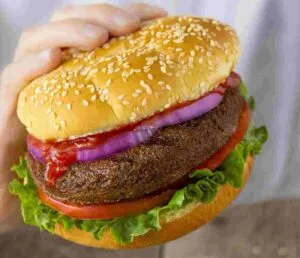
1. Dr. Praeger’s All American Veggie Burger
Img Source: Dr. Praeger’s
The protein king of this list, and it isn’t close. The current formula packs 22 grams of pure plant protein per patty at around 230 calories, built on pea protein with sweet potato, butternut squash, and carrot in the mix. It’s soy-free and gluten-free, which matters if either of those is on your avoid list.
Twenty-two grams puts it ahead of some chicken patties I’ve seen in the same freezer aisle. The trade-off is sodium: roughly 530mg per patty, so if you’re eating two of these plus salty sides, your water retention will have opinions. Worth it on a heavy training day.
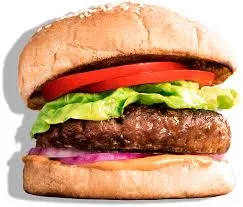
2. Beyond Meat Beyond Burger
Img Source: Beyond Meat
The one that convinced skeptics this whole category wasn’t a joke. Around 20 grams of protein per patty (the newest labels say 21g), built from pea and rice protein, with a texture that comes from heating, cooling, and pressurizing plant proteins until they form fibers. It’s the closest thing to the chew of beef in this lineup.
Two things to know. First, it’s a fat-forward patty: about 14g of fat per serving, and the older formula’s coconut oil meant real saturated fat; the newer recipe leans on avocado oil. Second, it’s the priciest per gram of protein here. You’re paying for the texture R&D. For a lifter who misses burgers, that’s a fair trade a couple of times a week. As a daily driver, your wallet will file a complaint.
Visit the Beyond Meat website for the full rundown.
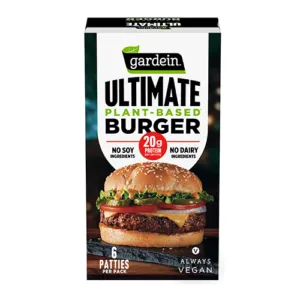
3. Gardein Ultimate Plant-Based Burger
Img Source: Gardein
The workhorse. Soy protein and vital wheat gluten give it a dense, meaty bite that grills well and doesn’t fall apart on the grates, which is more than I can say for half the patties in this category. Protein has bounced between 15 and 20 grams across reformulations, so check your specific bag; either way, it’s a legitimate protein source, not a garnish.
It’s also usually the cheapest of the high-protein options, which is why it lives in my freezer permanently. Read the label before you buy, since Gardein tweaks formulas and the sodium sits around 450mg per patty.
Read More: Vegan Diet For Weight Loss
4. Tesco Plant Chef Meat-Free Burgers
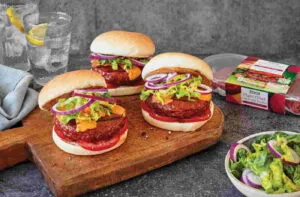
Img Source: Tesco
The import pick. Tesco’s Plant Chef burgers deliver about 13.5 grams of protein per patty at just 201 calories, built on pea protein with a solid iron and zinc showing. Respectable numbers for the price, and they freeze well, so you can stock up.
The catch: Tesco is a UK supermarket. If you’re reading this in the US, you can’t buy these, and I’m not going to pretend otherwise. Consider this entry a benchmark for what a store-brand patty should deliver, and hold your local store brand to the same standard. If your supermarket’s house patty can’t clear 10 grams of protein, it’s a side dish, not a burger.
Read More: Top 10 Vegan Bodybuilders
5. Hilary’s Root Veggie Burger
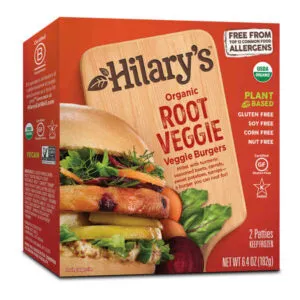
Img Source: Hilary’s
Here’s the outlier I warned you about: 3 grams of protein per patty. On a bodybuilding site. I know.
Hilary’s stays on the list for one reason: it tastes like actual food. Millet, beets, carrots, turnips, sweet potatoes, no soy, no gluten, no top allergens, and a crispy crust when you grill it. It’s the burger you serve the friend who’s trying plant-based for the first time, or the one you eat when you already hit your protein target at lunch and just want dinner to be pleasant.
Do not buy this expecting it to build muscle. At 3 grams, it’s a vegetable side dish that learned to hold a bun. Pair it with a protein shake and nobody gets hurt.
Build a better burger from scratch
Store-bought is convenient. Homemade is cheaper and you control the macros. Four rules:
- Kill the moisture. This is where homemade burgers die. Roast your vegetables instead of steaming them, and roast canned beans for about 15 minutes until the skins split. A wet mixture makes a patty that crumbles; a dry one holds.
- Build texture in layers. Pulse vegetables in a food processor for even distribution, then fold in something with chew: cooked quinoa, chopped mushrooms, or TVP. One texture is a hockey puck. Three textures is a burger.
- Bind it properly. Two flax eggs (2 tbsp ground flaxseed plus 6 tbsp water, rested 5 minutes) firm up the middle. Vital wheat gluten works too if gluten isn’t an issue, and it adds serious protein.
- Rest it overnight. The mixture needs a night in the fridge for the flavors to meld and the starches to hydrate. Cook it the same day and you’ll wonder why it’s bland and fragile. Cook gently: medium-low skillet or a grill, and don’t press it with the spatula. Pressing squeezes out the juices you’re trying to keep.
The bottom line
For lifters, the ranking is simple: Dr. Praeger’s and Beyond lead on protein, Gardein wins on value, Tesco sets the store-brand benchmark, and Hilary’s is the one you eat for pleasure. Check the label every time you buy, because these formulas change more often than gym playlists, and the protein number is the only spec that matters for your goals.
Keep reading
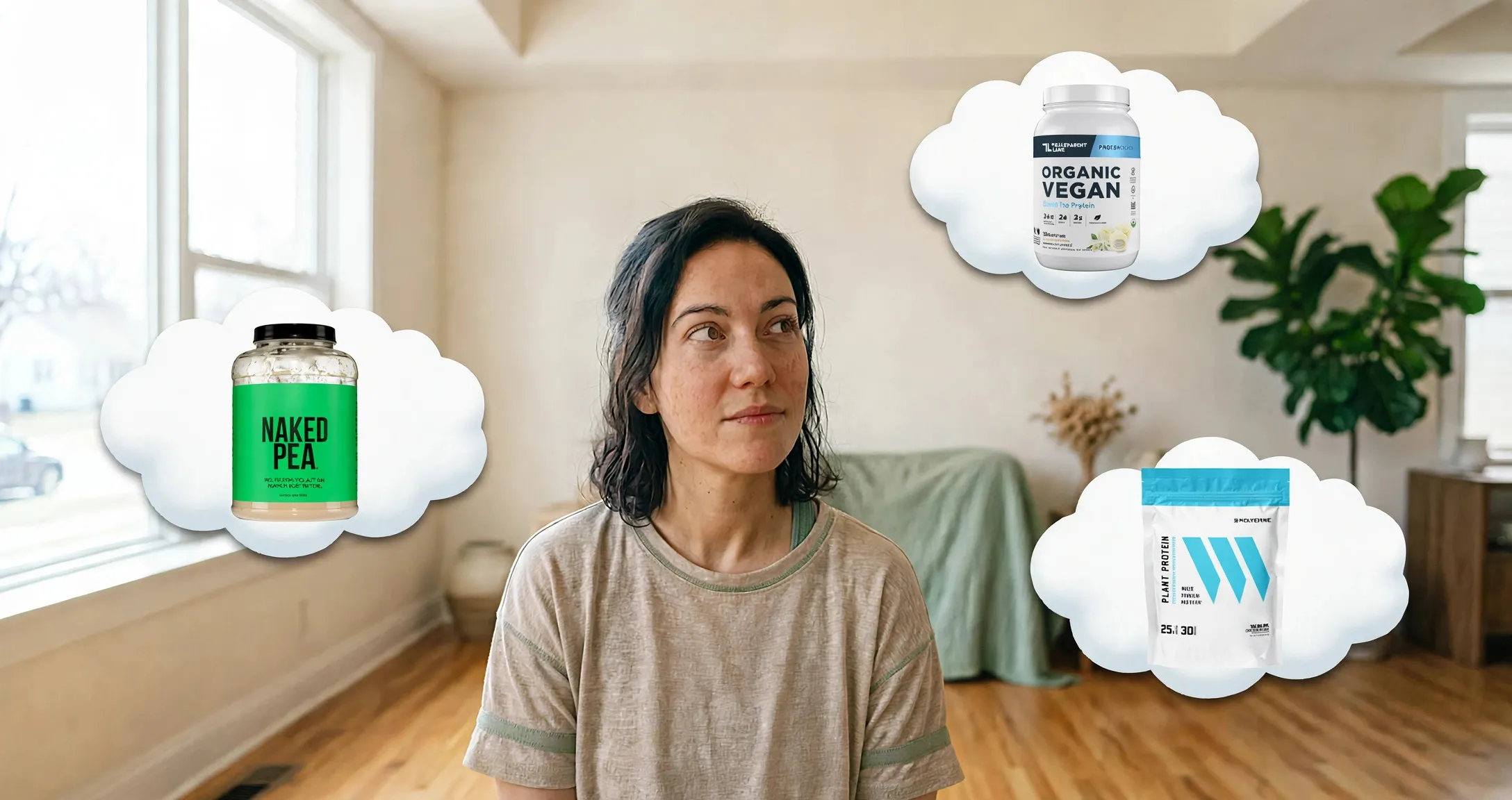
Best Vegan Protein Powders 2026: Buyer's Guide
What actually matters when buying vegan protein powder in 2026, the lead-in-protein findings explained, and 5 top-tier picks.
By Dante C.
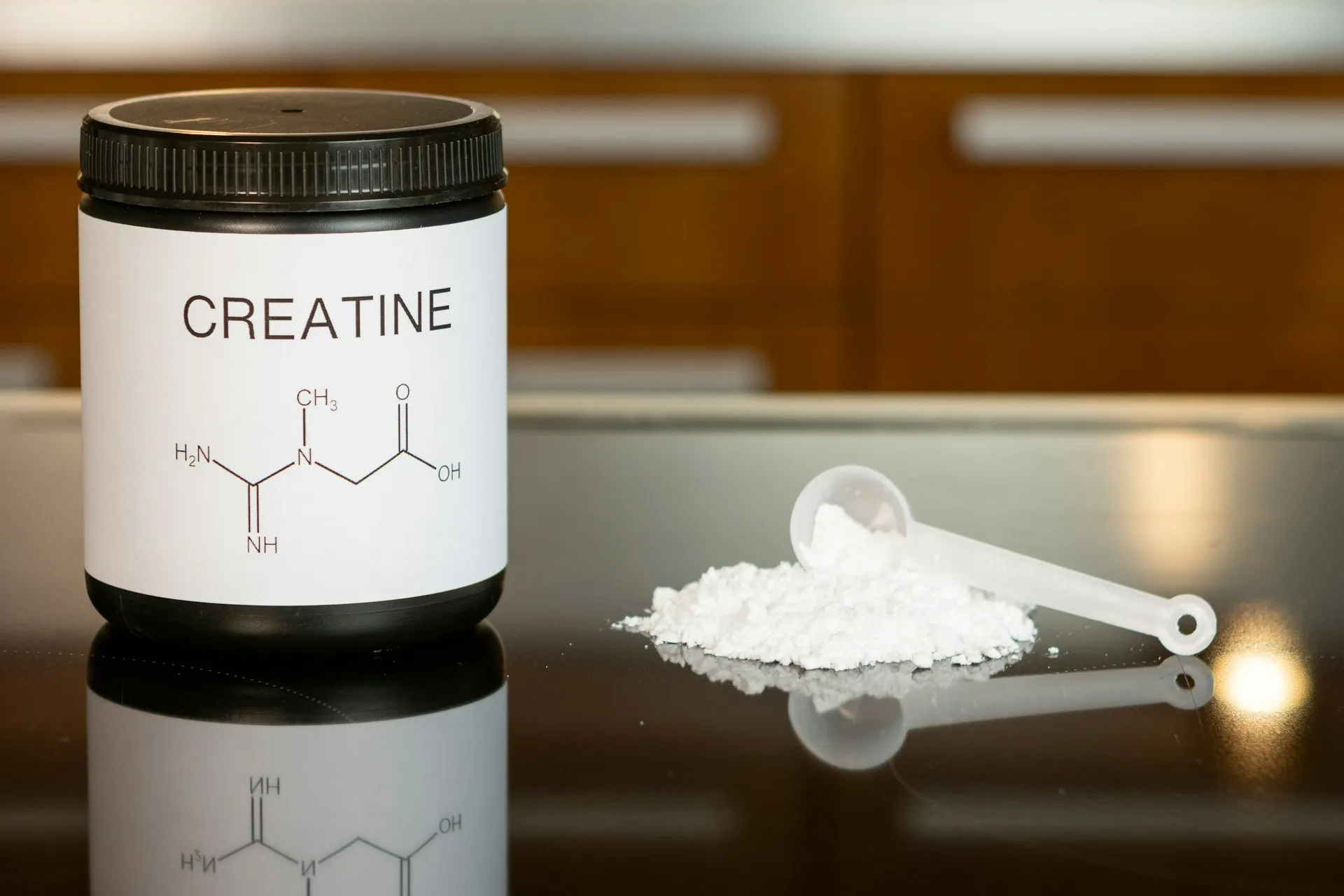
Creatine for Vegan Lifters: The One Supplement Actually Worth Buying
Creatine is the most studied supplement in fitness, and plant-based lifters may benefit most. Dosage, myths, and what to buy.
By Ben B.

How to Choose a Vegan Eating Plan That Actually Works
Not sure which vegan diet approach fits your goals? Learn the 6 eating archetypes and find the one that matches your lifestyle.
By Ben B.