Vegan Diet For Better Muscle Growth
Affiliate disclosure: Some links on this page may earn us a small commission at no cost to you.
Can You Actually Build Muscle Without Meat?
Yes. This is the question every vegan lifter gets asked at every family gathering, and the answer has been settled for a while: you can build serious muscle on plants. What you can’t do is wing it. A vegan muscle-building diet works when it’s planned; it fails when it’s just “normal eating minus the chicken.”
The research backs this up. A 2006 review in Sports Medicine concluded that appropriately planned vegetarian diets can provide enough energy, protein, and carbs to support athletic performance, with vegetarian athletes meeting protein needs from plant sources when they eat a variety and eat enough. A more recent review of vegetarian athletes found no meaningful difference in strength measures like 1RM compared to omnivores, with vegetarians actually scoring better on some endurance tests. (Venderley & Campbell, 2006; reviewed 2023)
Nobody’s claiming plants are magic. The claim is simpler: meat is not required, and the lifters proving it keep multiplying. For the full week-by-week version of what follows, our vegan bodybuilding diet 7-day meal plan maps it all out.
The Numbers That Matter
Protein: 0.7 to 1.0 grams per pound of bodyweight per day. This is the standard muscle-building range (1.6 to 2.2 g/kg), and it applies to vegans too. A 170-pound lifter needs roughly 120 to 170 grams daily. Plant proteins are slightly less concentrated per serving than animal proteins, so portions run a bit larger. That’s the whole adjustment. See our pros and cons of a vegan diet for the nutrients that need watching alongside the protein.
Calories: roughly 10 to 20% above maintenance. Muscle needs a surplus to grow. Eat at maintenance and you’ll mostly just recomp, slowly, if at all.
Fat: about 1 gram per kilogram of bodyweight. Fat carries more than twice the calories per gram as carbs, which makes it the easiest lever for hitting a surplus without eating a mountain of food.
Water: about 1 ml per calorie eaten. A high-fiber vegan diet without enough water is how you discover bloating, gas, and regret. Drink steadily through the day, not just around workouts.
The Foods That Do the Work
Build the diet around these, in roughly this order of importance:
- Soy (tofu, tempeh, edamame, soy milk): Complete protein, 10 to 19g per 100g depending on the form. The backbone of most successful vegan bulks.
- Seitan: Washed wheat gluten with a genuinely meaty chew, about 25g protein per 100g. The highest-protein whole food on this list.
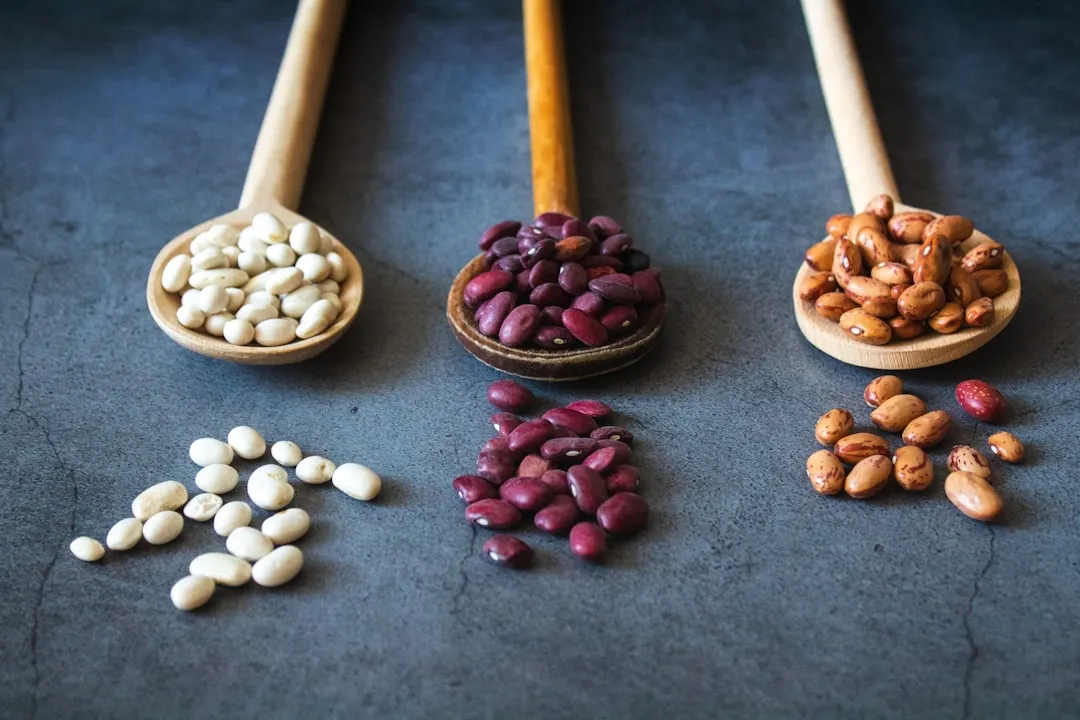
- Lentils, beans, chickpeas: 9 to 15g protein per cooked cup, plus the fiber that keeps everything moving.
- Quinoa and amaranth: Complete proteins among grains, and quinoa genuinely tastes close enough to rice that swapping some rice for quinoa is free protein.
- Oats: About 13g protein per 100g dry. A legitimate post-workout breakfast base.
- Nuts and seeds: Calorie-dense fuel. Great for hitting a surplus; dangerous for your cut.
- Nutritional yeast: Mostly fortified with B12, about 8g protein per quarter cup, and makes everything taste faintly like cheese.
- Protein powder: Pea, soy, or rice blends. The easiest way to close a 30-gram gap without another full meal. See our best vegan protein powder picks and our 5 low-key fantastic sources of plant protein for the less obvious options.
A quick protein cheat sheet for a 170-pound lifter’s day:
- Tempeh (3 oz cooked): ~17g
- Black beans (1 cup cooked): ~15g
- Chickpeas (1 cup cooked): ~15g
- Lentils (1/2 cup cooked): ~9g
- Quinoa (1/3 cup dry): ~8g
- Soy nuts (2 Tbsp): ~6g
- Oats (1/2 cup dry): ~5g
- Almonds (2 Tbsp): ~4g
- Pumpkin seeds (2 Tbsp): ~5g
- Green peas (1/2 cup): ~4g
- Pea protein powder (1 scoop): ~25g
Mix and match across 4 to 6 meals and 150-plus grams stops looking intimidating.
Supplements Worth Taking
Vegan protein powder is the closest thing to mandatory. It turns “I need 40 more grams” from a cooking project into a 30-second shake.
Creatine monohydrate deserves special attention for vegans. Vegetarians start with lower muscle creatine stores than meat eaters (meat is a dietary source), which means supplementation tends to help them more, not less. Cheap, safe, effective. Read our full creatine for vegan lifters guide.
A good multivitamin or targeted stack covers the known gaps: B12 (non-negotiable), vitamin D, iron, zinc, calcium, and EPA/DHA from algae oil.
Beta-alanine has decent evidence for high-rep training performance. Optional, but cheap.
How to Structure the Diet
Forget complicated periodization. The pattern that works:
- Find your maintenance calories (track for two weeks, watch the scale), then add 10 to 20%.
- Set protein first at 0.7 to 1.0g per pound, fat at roughly 1g per kg, and fill the rest with carbs.
- Eat 4 to 6 times a day. Not because meal timing is magic, but because 170 grams of protein across three meals of beans is a digestive dare. Spread it out.
- Vary your protein sources. Nine essential amino acids, none made by your body. No single plant food has them all in ideal ratios, but a varied day of soy, grains, legumes, and seeds covers everything. Rice plus beans isn’t folk wisdom; it’s amino acid complementation.
The Honest Downsides
Nutrient gaps are real. Cut animal products without a plan and B12, D, iron, zinc, and omega-3s drift low. Supplement deliberately.
Fiber can fight you. Jumping from low fiber to 50-plus grams overnight causes bloating and gas. Ramp up over a couple of weeks and drink the water.
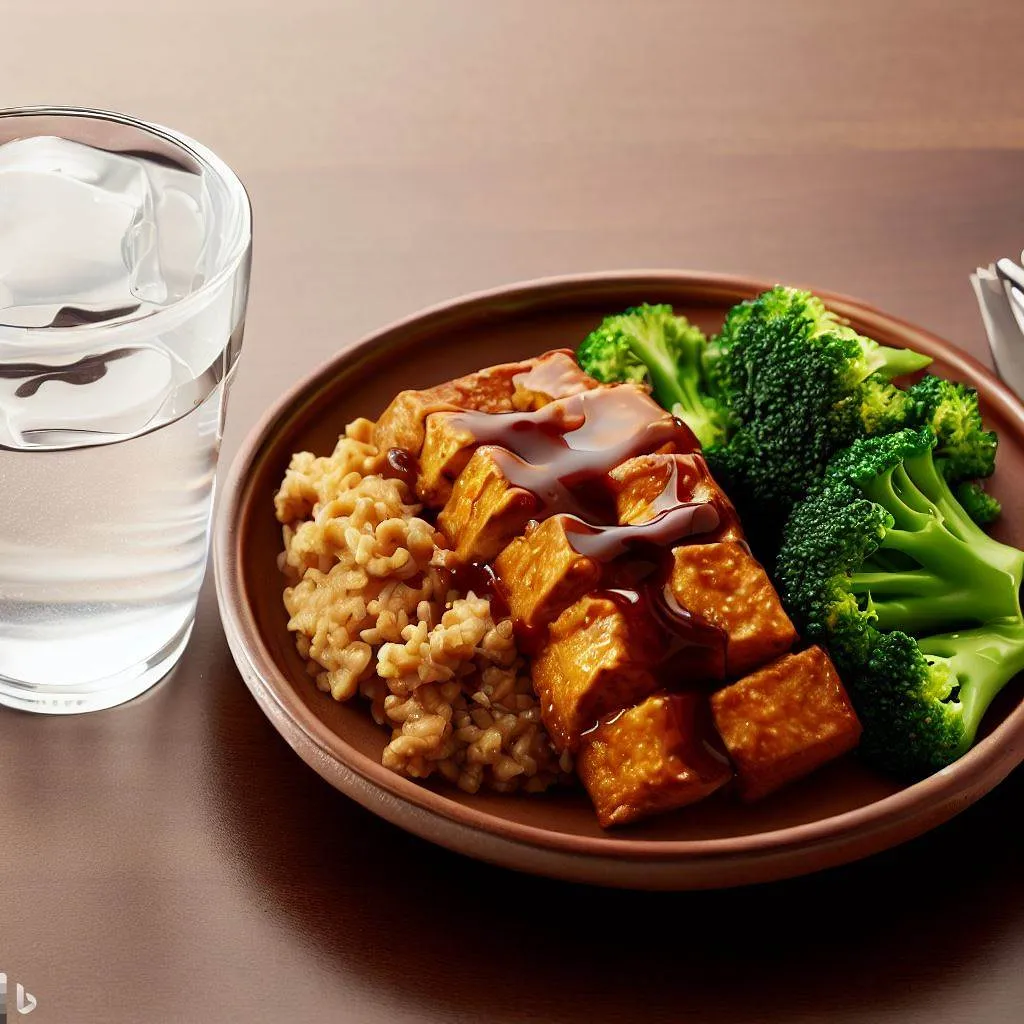
It can get monotonous. Tofu, rice, and broccoli on infinite repeat is how people quit. Rotate your proteins and learn five seasonings. Our high-protein vegan meal prep recipes exist so you don’t have to eat the same bowl forever.
Tips That Actually Help
Eat enough, consistently, every day. One perfect high-protein day followed by three undereating days builds nothing. Prioritize sleep like it’s training, because it is. Vary your foods to dodge both boredom and amino acid gaps. And keep the processed stuff minimal: a vegan diet of fake meats and protein bars technically hits the macros and still leaves you feeling flat.
For the training side of the equation, see our 15 tips for the aspiring vegan bodybuilder.
The Bottom Line
Building muscle on a vegan diet is a planning problem, not a biological one. Hit your protein, eat in a modest surplus, cover the handful of micronutrients plants don’t provide, and train hard. The lifters who fail at this fail at the planning, not the plants.
Keep reading
Vegan BodyBuilding Diet: A 7-Day Meal Plan
How to build muscle on plants: protein targets, the foods that matter, nutrients to watch, and a concrete 7-day high-protein meal plan.
By Prakash B.
Vegan Protein Cost Comparison: Beans vs. Powder per 30g
Real per-gram math on dried beans, canned beans, and vegan protein powder, so you can stop guessing and start budgeting.
By Dante C.
Warm-Up Routines That Actually Work: Stop Stretching, Start Lifting
Most lifters warm up wrong. Here is the 10-minute routine backed by research, the static stretching mistake, and exact upper and lower day warm-ups.
By Dante C.