Best Home Gym Equipment for Vegan Lifters: The 2026 Gear Guide
Affiliate disclosure: Some links on this page may earn us a small commission at no cost to you.
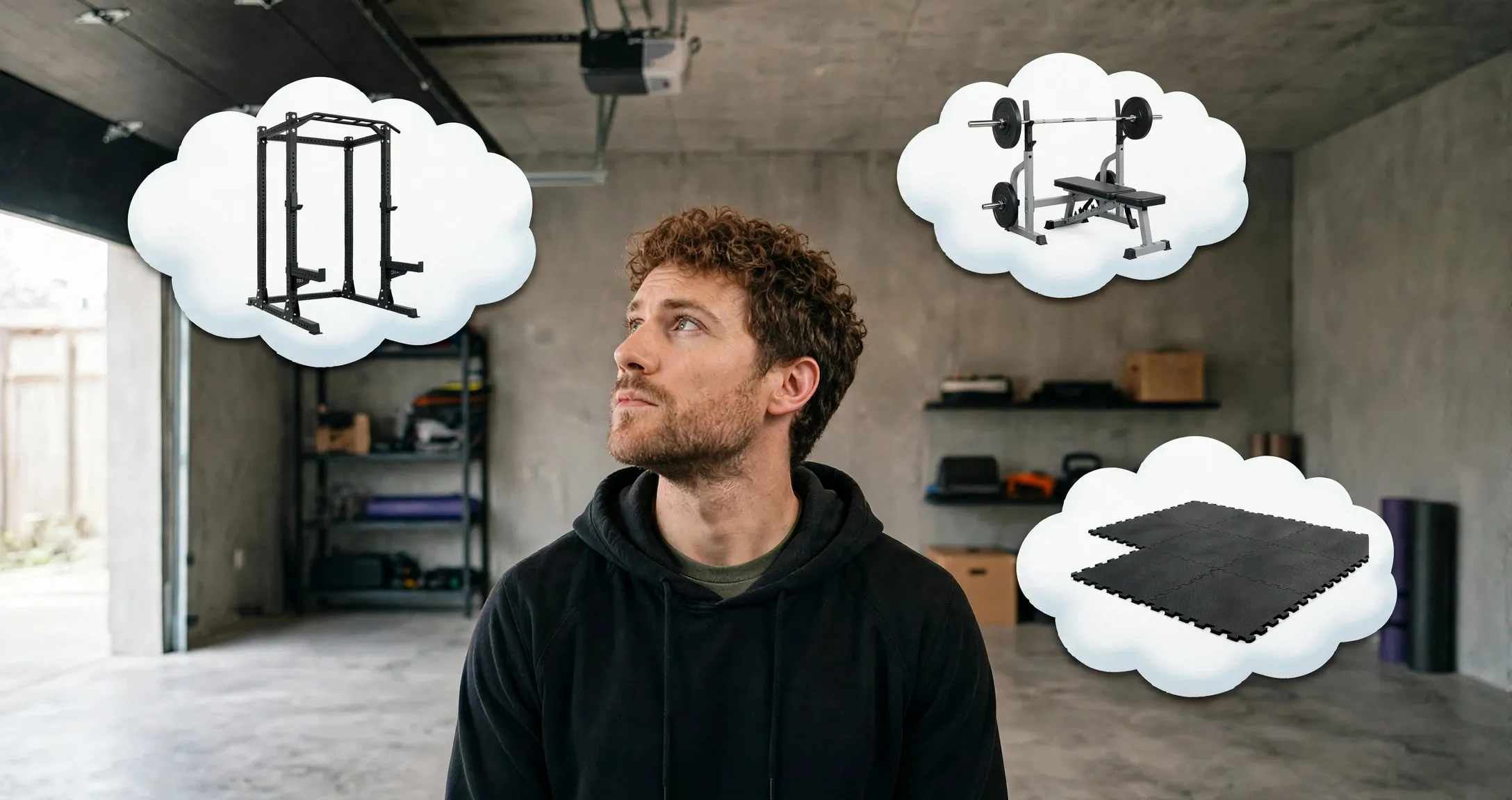
My old gym membership cost $55 a month, which is $660 a year, and I still spent half of every session waiting for the one decent squat rack while someone did curls in it. One January I added it up: three years of dues would have bought a rack, a bar, and enough plates to outlift anything I was doing in that gym. So I built the gym in my garage, made every buying mistake in the book along the way, and now I get to save you from repeating them.
This is not a list of everything you could buy. It is the short list of what actually gets used, in the order you should buy it, with real prices as of fall 2026. Prices move, especially on plates, so treat every number below as a snapshot, not a promise.
Buy in this order, and stop when you have enough
The mistake most people make is buying a little bit of everything. A home gym built around one barbell movement pattern beats a room full of machines you never program. Here is the order that works.
1. A power rack
This is the purchase everything else hangs on, literally. A rack gives you safe squats, bench press, overhead press, and pull-ups, and the safety pins mean you can train heavy alone without a spotter.
At the budget end, the Titan T-3 runs about $479 and is the most recommended rack in its price class: 11-gauge steel, a small enough footprint for a garage corner, and a deep enough accessory ecosystem that you will not outgrow it in a year. The step up most lifters land on is Rogue’s R-3 at around $825, or the Monster Lite RML-390 at about $1,015, both made in the USA from 11-gauge steel with Westside hole spacing through the bench zone, which is the detail that lets you set the safeties exactly right instead of approximately right.
Two things to check before you order any rack. First, ceiling height: you need room to press overhead inside it, so measure with your shoes on and your arms up, not just the rack’s listed height. Second, bolting: many racks, including the Rogue R-3, are designed to be bolted to the floor or a platform. If you rent, a flat-foot rack that stands on its own is worth the premium.
2. A barbell
Buy one good barbell before you buy anything else that spins, rolls, or adjusts. The difference between a $75 bar and a $300 bar is not snobbery. It is knurling that stays sharp, sleeves that spin without grinding, and a shaft that does not permanently bend the first time you drop 315 pounds.
If money is tight, a basic 7-foot Olympic bar from CAP, around $75 to $100, will carry a beginner a long way. If you can stretch, the Rogue Ohio Power Bar at about $315 is the buy-once answer for most lifters: 29mm shaft, 205,000 PSI tensile strength, aggressive powerlifting knurl with a center knurl that keeps the bar stuck to your back during squats, and a lifetime warranty against bending. One bar, bought once, beats three cheap bars replaced over five years. Note the diameter if you have small hands: 29mm is the powerlifting standard, while 28mm Olympic bars feel noticeably easier to grip for pulls.
3. Plates
Plates are where budgets go to die, because weight is priced by the pound and shipping heavy iron is not cheap. The rule of thumb from people who have built dozens of these setups: aim for $1 per pound or less, and never pay $2 per pound unless you have a very good reason.
Start with about 260 pounds if you are new to lifting: a pair each of 45s, 25s, 10s, and 5s, plus change plates. Bumpers are quieter and kinder to concrete floors, and a CAP 260-pound bumper set runs around $260. Iron plates are cheaper per pound and take up less space on the bar, which matters once you are loading four plates a side. Either works. What does not work is buying a 300-pound set, discovering your deadlift passed 300 in six months, and paying full shipping again for two more 45s. Buy the 45s early. They are the plates you will never regret owning.
The used market is your best friend here. Plates do not wear out. Scour Facebook Marketplace and Craigslist, check for cracks around the center hole, and walk away from anything rusted through or priced like jewelry. A used set at 70 cents a pound beats a shiny new set at $1.50 every time.
4. A bench
A flat bench is all you need for the first year, and the REP FB-3000 at around $150 is the one that keeps showing up at the top of every budget list: 1,000-pound capacity, an 11.5-inch wide pad that actually supports your shoulders, and legs that do not wobble when you set up for a heavy set. Adjustable benches add incline work and cost $200 to $450 more. Worth it eventually, especially for incline pressing and seated dumbbell work, but not before you own the rack, bar, and plates. A wobbly $55 bench is the one purchase in this whole guide I would actively talk you out of. Your shoulders will know the difference.
5. Flooring
A concrete floor and dropped iron plates are a short road to cracked concrete and angry neighbors. Horse stall mats from a farm supply store, about $60 for a 4-by-6-foot mat, are the cheapest real solution in home gym building. Two mats under the rack and one where you deadlift will cover most setups.
6. Adjustable dumbbells
This is the first purchase that is a luxury rather than a necessity, and it is the one that makes a home gym feel complete. A pair of adjustable dumbbells that run from 5 to 52.5 pounds, like the Bowflex SelectTech 552, replaces fifteen pairs of fixed dumbbells and fits in the corner of a room. They are not perfect for dropping from overhead, and the adjustment dials feel fiddly at first, but for rows, presses, lunges, and accessory work they turn a barbell gym into a full program.
Three budgets, priced out
The starter setup, around $880. A Titan T-3 rack ($479), a CAP Olympic bar ($75), 200 pounds of iron plates ($175), and a REP FB-3000 bench ($150). That covers squat, bench, deadlift, press, rows, and pull-ups. Swap in the REP PR-1100 rack and the total drops to roughly $780.
The solid middle, around $1,700. A Rogue R-3 rack ($825), a Rogue Ohio Power Bar ($315), 260 pounds of bumper plates ($260), a REP bench ($150), and stall mats ($120). This is where most lifters should aim if they know they will still be training in three years. Nothing here needs replacing.
The buy-once setup, around $2,500 and up. A Rogue Monster Lite rack ($1,015), the Ohio Power Bar ($315), a full bumper set with room to grow ($500 or more), an adjustable bench ($300 to $450), and adjustable dumbbells (around $400). Add a belt, chalk, and fractional plates later, not now.
What not to buy
A cable crossover machine before you can squat your bodyweight. A treadmill you will use as a clothes rack by February; a jump rope and a pair of running shoes cover conditioning for a lifter, and our 6-week conditioning plan works fine with both. An all-in-one Smith machine home gym that locks the bar into a fixed path and teaches your stabilizers nothing. And any barbell, rack, or bench sold as a bundle with “230 pounds of weights included” where the weights are vinyl-coated sand.
The other trap is attachments. Dip bars, landmine attachments, belt squat arms, and cable pulleys are all genuinely fun, and every one of them is a purchase for year two. Buy them when a specific lift in your program demands them, not when a sale email demands your attention.
The part nobody mentions: the kitchen is ten steps away
Here is the underrated advantage of training at home, and the reason this guide belongs on a vegan fitness site. Your post-workout meal is not a shaker bottle chugged in a parking lot. It is a real plate of food, made ten minutes after your last set, while your muscles are still warm. The lifters who struggle most with eating enough on a bulk are usually the ones eating their biggest meal out of a plastic tub. A home gym puts the squat rack next to the stove, and that proximity is worth more than any supplement in the cupboard.
Start with the rack, the bar, the plates, and the bench. Train on that for six months. Everything after that is an upgrade you will actually appreciate, bought with money you saved by canceling the membership.
Sources
Prices and specs checked against Rogue Fitness product pages, REP Fitness, and 2026 home gym roundups from BarBend, Garage Gym Reviews, and Iron Set Lab, October 2026. Prices change; check the manufacturer page before ordering.
Keep reading
Breaking Through a Strength Plateau: How to Start Progressing Again
Stuck at the same weight for weeks? How to audit your training, fix the real cause of a strength plateau, and start progressing again.
By Ben B.
Deload Weeks Done Right: A Lifter's Guide
A deload week is not quitting. It's the fatigue-management tool competitive lifters use every 4-8 weeks. Here's the science and the exact protocol.
By Ben B.
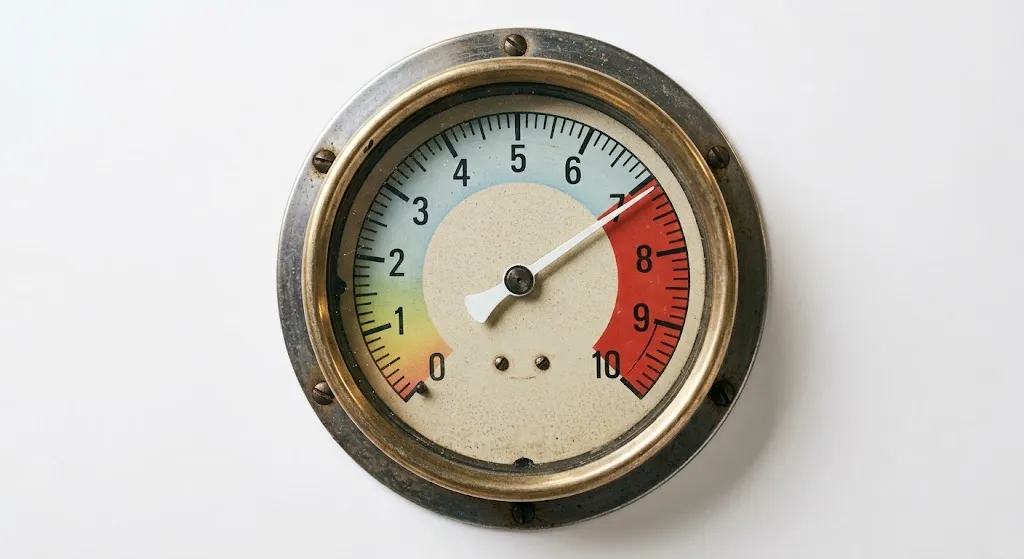
RPE Training for Intermediates: The 1-10 Scale That Ends Guesswork
RPE training lets you autoregulate intensity instead of guessing percentages. The research, the scale, and how to use it.
By Ben B.